
As a homeowner in Georgia, you've probably heard the phrase "a stitch in time saves nine." When it comes to your home, that old saying couldn't be more accurate. The hidden home repairs that cost homeowners the most money are rarely the dramatic, sudden disasters. They're the small, quiet problems that develop slowly—out of sight, behind walls, under floors, and above ceilings—until one day, they become catastrophic.
We've seen it countless times across Lawrenceville, Suwanee, Duluth, Buford, Johns Creek, Alpharetta, Roswell, and throughout the Atlanta metro area. A homeowner notices a tiny water spot on the ceiling and figures they'll deal with it later. Six months later, that same spot has grown into a massive mold problem requiring professional remediation, drywall replacement, and structural repairs costing tens of thousands of dollars.
The purpose of this guide is simple: to help you identify the hidden problems lurking in your home before they become financial disasters. Whether you live in a historic home in Roswell or a new build in Suwanee, understanding these issues and acting early can save you thousands of dollars and give you genuine peace of mind.
Why Small Repairs Become Expensive When Ignored
Home repairs follow a predictable pattern: the longer you wait, the more expensive they become. This isn't just because materials cost more or labor rates increase over time. It's because most home problems compound. Water spreads. Cracks grow. Rot expands. A $200 repair today can easily become a $5,000 repair next year.
Consider this: the average cost of a routine home repair visit from a professional handyman is between $150 and $400. The average cost of emergency water damage restoration? Between $3,000 and $8,000. The average cost of foundation repair? Between $4,000 and $15,000. The math is simple—preventative maintenance is always the more affordable choice.
Georgia's climate makes this especially important. Our hot, humid summers accelerate mold growth and wood rot. Our severe thunderstorms stress roofs and gutters. Our clay-heavy soils expand and contract with moisture changes, putting pressure on foundations. Homes here face unique challenges that make proactive maintenance essential, not optional.
The Most Common Hidden Home Problems
Below we break down each hidden threat—what causes it, how to spot it early, what it costs if ignored, and when to call a professional.
Roof Leaks
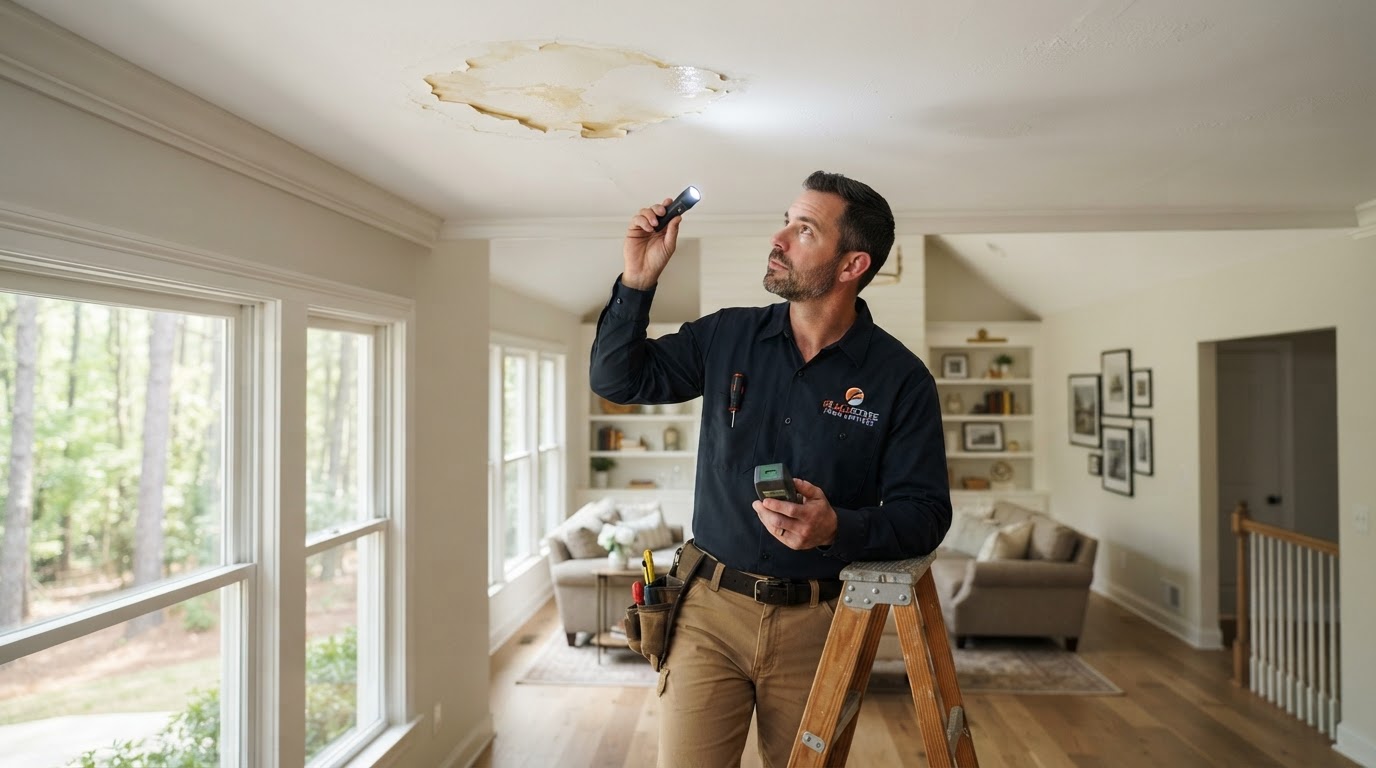
What Causes It
Missing or damaged shingles, cracked flashing, aging underlayment, and storm damage from Georgia's frequent severe weather events.
Early Warning Signs
Water stains on ceilings, missing granules in gutters, curling shingles, daylight visible through roof boards, and damp insulation in the attic.
Cost If Ignored
$300 fix → $10,000+ in structural and mold damage
How to Prevent It
Schedule annual roof inspections, especially after storms. Replace damaged shingles immediately and ensure flashing is sealed around chimneys and vents.
When to Call a Professional
If you notice any water stains on your ceiling or walls, or if your roof is over 15 years old, schedule a professional inspection right away.
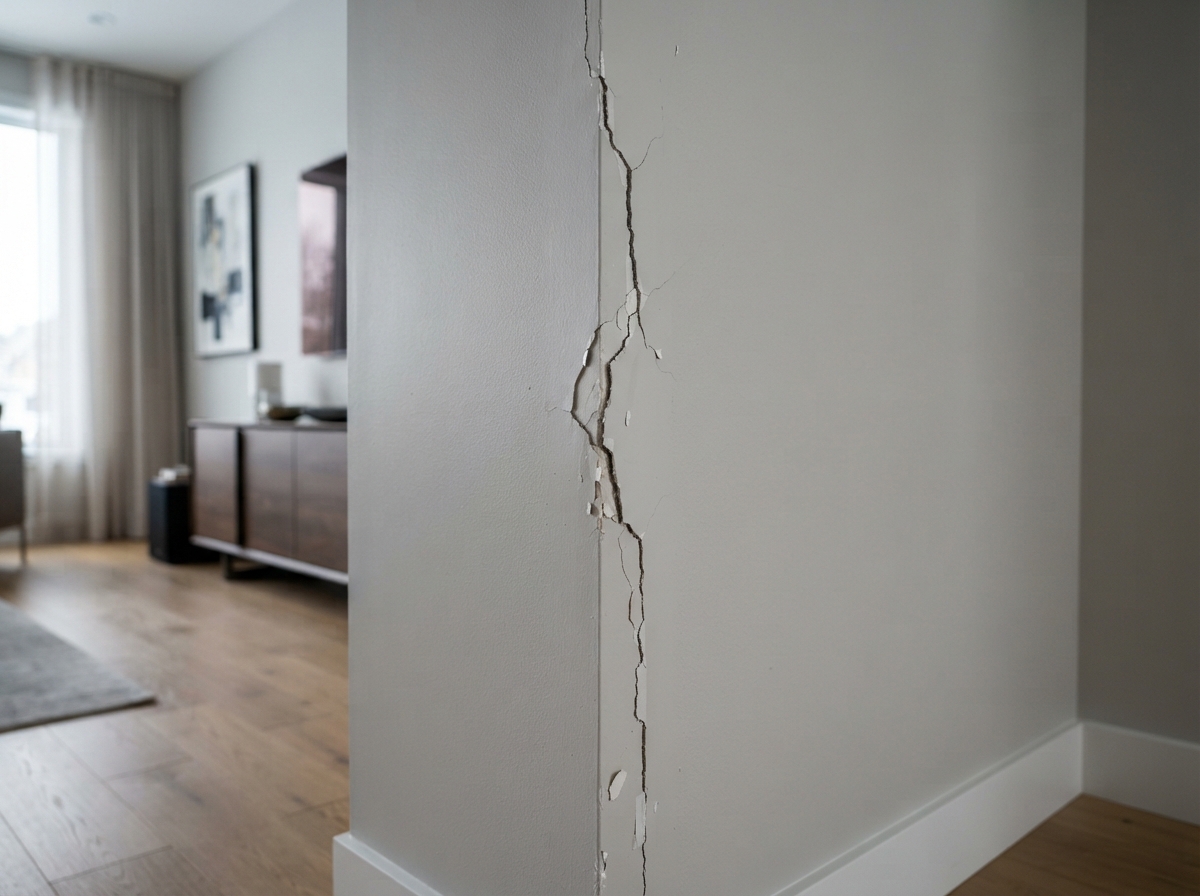
Water Damage
What Causes It
Plumbing leaks, roof failures, appliance malfunctions, poor drainage, and condensation buildup in humid Georgia climates.
Early Warning Signs
Discolored walls, musty odors, peeling paint, warped flooring, visible mold, and unexplained increases in water bills.
Cost If Ignored
$500 repair → $5,000-$25,000 in mold remediation and structural repair
How to Prevent It
Inspect plumbing fixtures regularly, monitor water bills for unusual spikes, ensure proper ventilation in bathrooms and kitchens, and address any leak immediately.
When to Call a Professional
The moment you discover active water intrusion or suspect hidden moisture behind walls. Time is critical—mold begins growing within 48 hours.
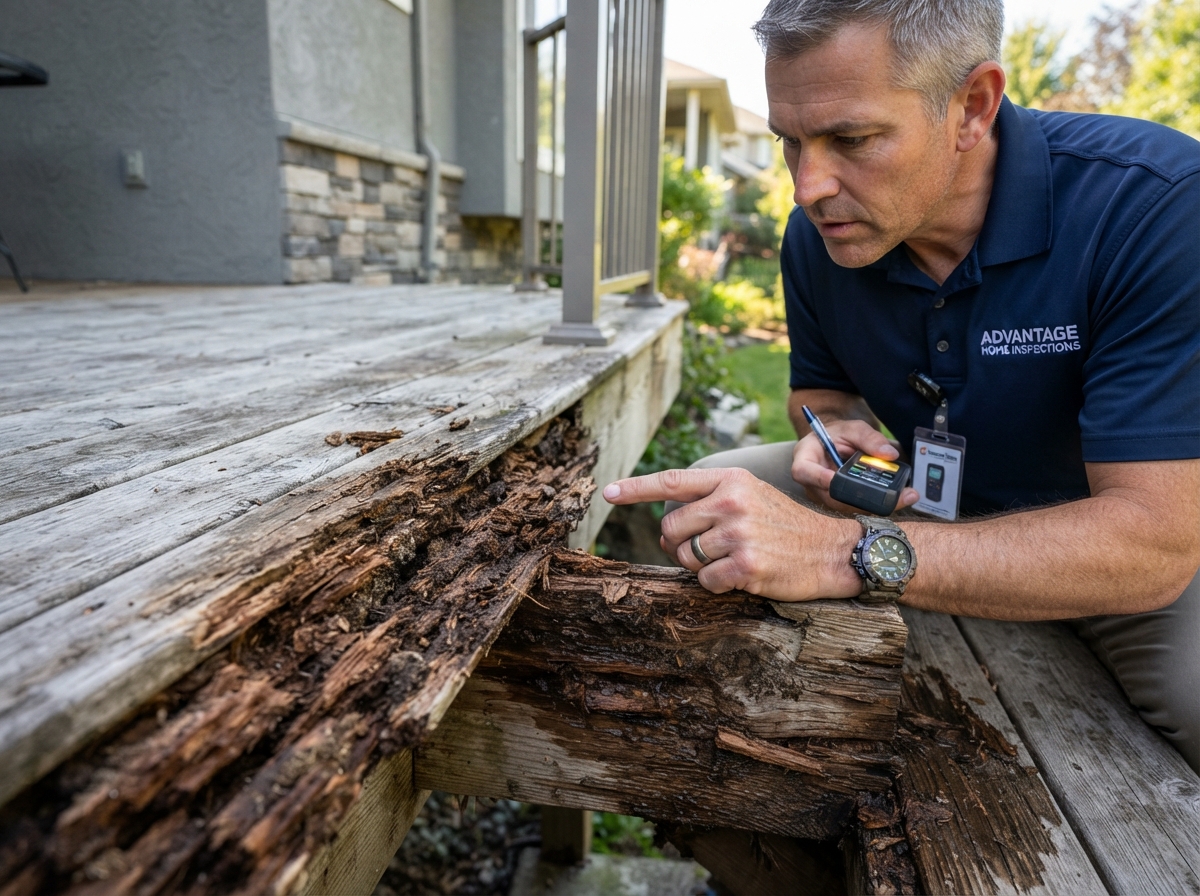
Drywall Cracks
What Causes It
Natural house settling, foundation movement, humidity fluctuations, temperature changes, and poor initial installation.
Early Warning Signs
Cracks wider than 1/4 inch, horizontal cracks, cracks that reappear after repair, cracks accompanied by sticking doors or uneven floors.
Cost If Ignored
$200 patch → $3,000+ if foundation issues are the root cause
How to Prevent It
Maintain consistent indoor humidity levels, address foundation drainage issues, and monitor cracks for changes in size or direction.
When to Call a Professional
If cracks are widening, appear in a stair-step pattern on brick exteriors, or if doors and windows begin sticking—these may indicate foundation movement.
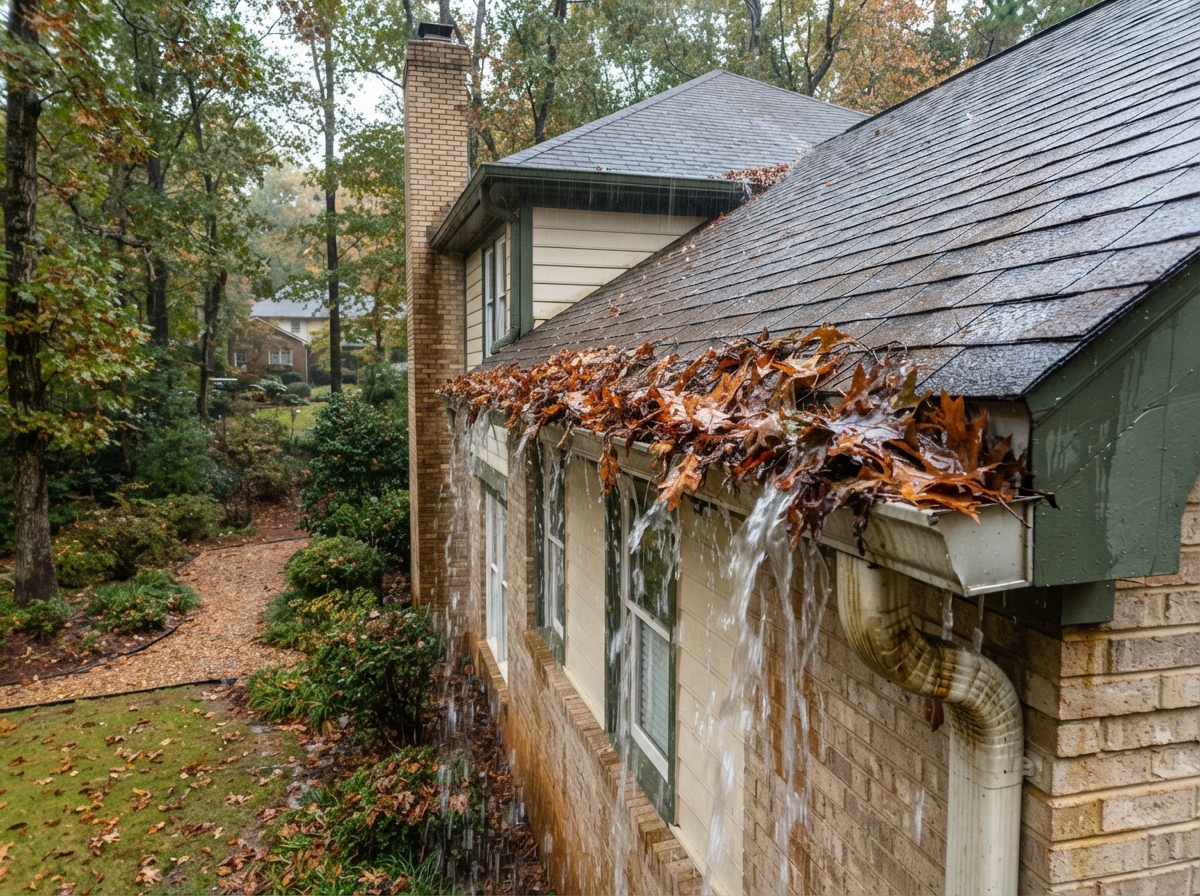
Rotten Wood & Deck Deterioration
What Causes It
Prolonged moisture exposure, fungi growth, poor drainage, lack of sealing, and Georgia's warm, humid climate that accelerates wood decay.
Early Warning Signs
Soft or spongy wood, discoloration, splitting or cracking, loose boards, fungal growth, and areas that feel springy underfoot.
Cost If Ignored
$150 board replacement → $8,000+ full deck rebuild
How to Prevent It
Seal decks annually, ensure proper drainage, remove debris between boards, inspect for soft spots each spring, and replace damaged boards promptly.
When to Call a Professional
If any deck board feels soft, if railings are loose, or if you notice fungal growth. Deck failures can cause serious injuries.
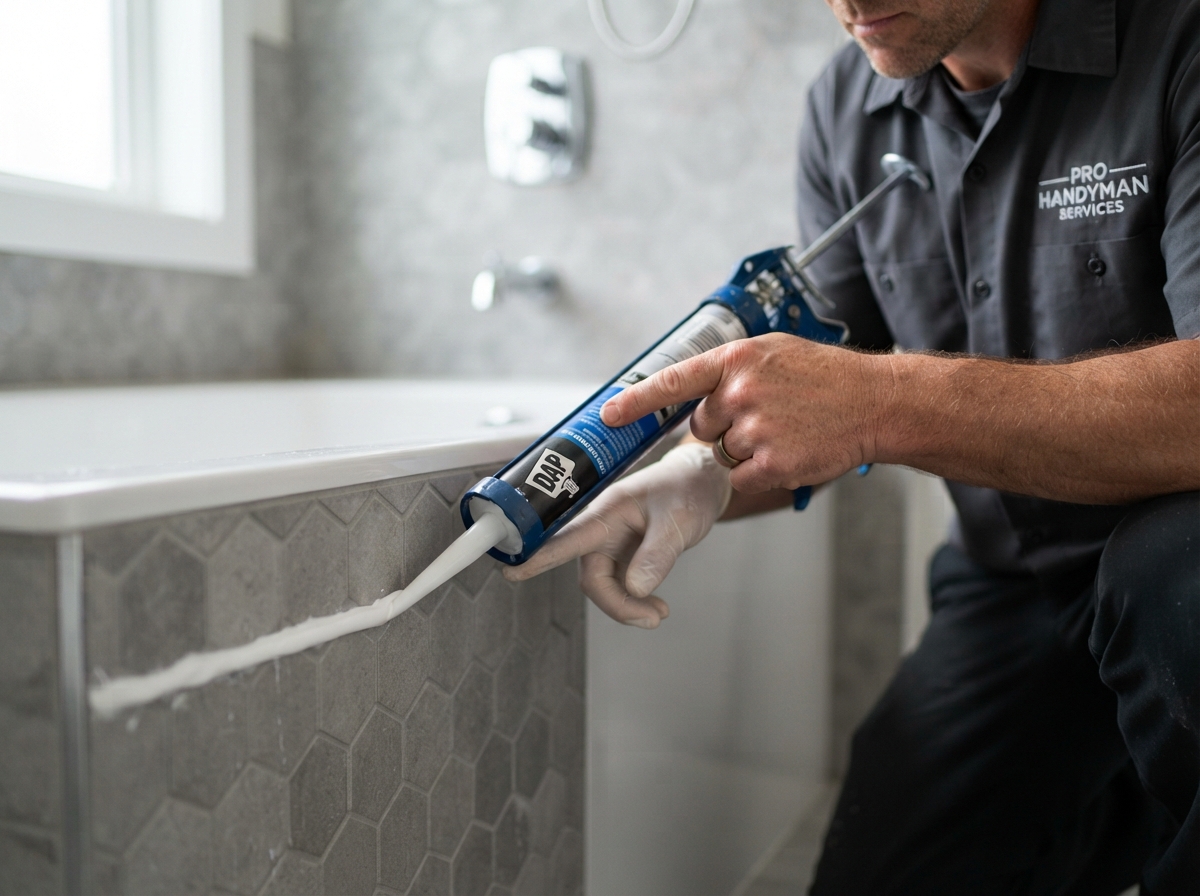
Failing Caulk Around Tubs & Showers
What Causes It
Age, mold growth, harsh cleaning chemicals, natural expansion and contraction, and improper initial application.
Early Warning Signs
Cracking, peeling, discoloration, mold spots, gaps between caulk and surfaces, and water pooling where it shouldn't.
Cost If Ignored
$20 caulk tube → $2,000-$7,000 in wall and floor damage
How to Prevent It
Inspect caulking every 6 months, use silicone-based caulk for wet areas, ensure proper ventilation, and replace caulk at the first sign of deterioration.
When to Call a Professional
When caulk is cracking, pulling away from surfaces, or showing mold growth. Water behind walls can destroy framing and subfloors.
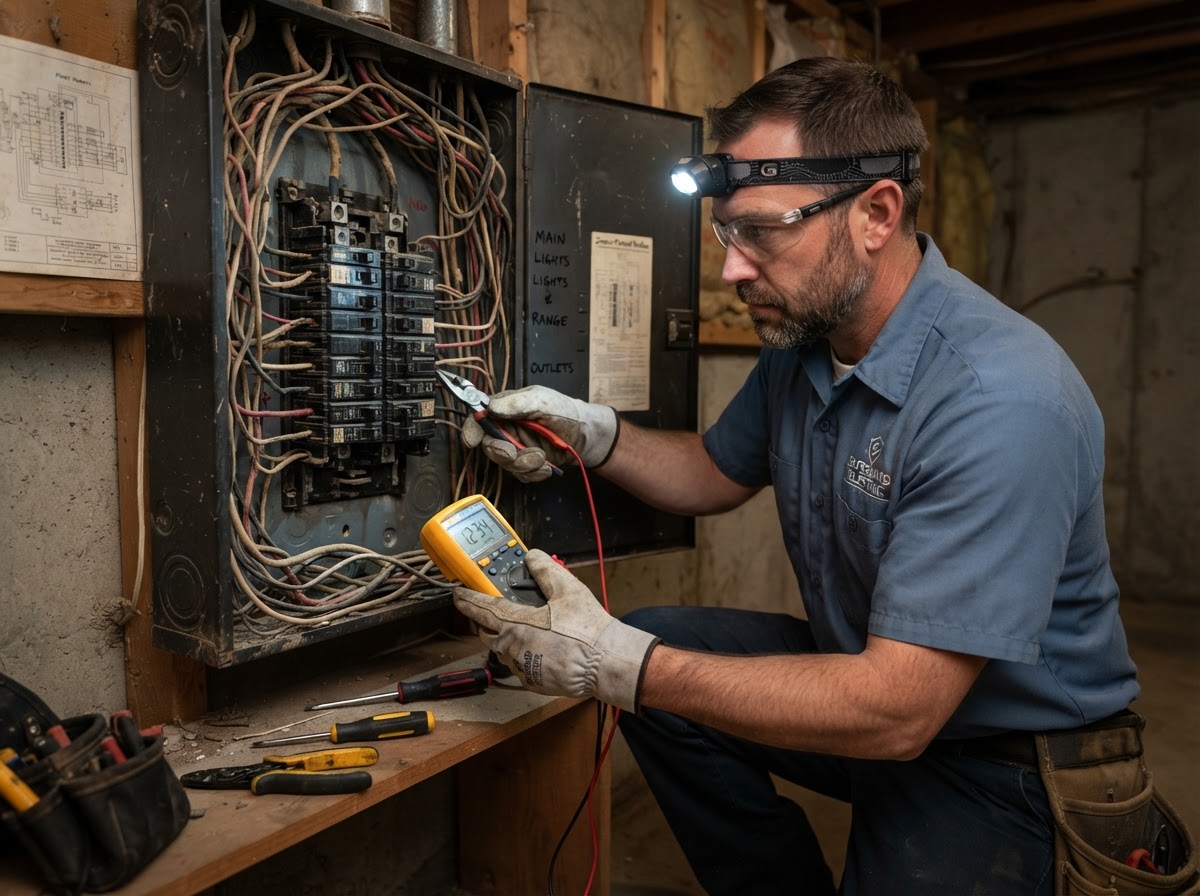
Electrical Problems
What Causes It
Aging wiring, overloaded circuits, loose connections, outdated panels, and DIY electrical work that doesn't meet code.
Early Warning Signs
Frequent breaker trips, flickering lights, warm outlets, burning smells, buzzing sounds, discolored switch plates, and outlets that don't hold plugs firmly.
Cost If Ignored
$150 outlet replacement → $4,000+ rewiring, or far worse—house fire
How to Prevent It
Never overload outlets, have your electrical panel inspected if it's over 20 years old, and always use a professional for electrical work.
When to Call a Professional
Immediately if you notice burning smells, warm outlets, or frequent breaker trips. Electrical problems are a leading cause of house fires.
Gutter Problems
What Causes It
Debris accumulation, clogs from leaves and pine needles, sagging from heavy loads, and improper pitch that prevents water flow.
Early Warning Signs
Water overflowing during rain, sagging gutters, plants growing in gutters, water pooling near foundation, and exterior water stains.
Cost If Ignored
$150 cleaning → $3,000-$10,000 in foundation and landscaping damage
How to Prevent It
Clean gutters at least twice a year, install gutter guards if you have many trees, ensure downspouts direct water at least 5 feet from the foundation.
When to Call a Professional
If gutters are sagging, overflowing, or pulling away from the house. Clogged gutters cause foundation damage, basement flooding, and landscape erosion.
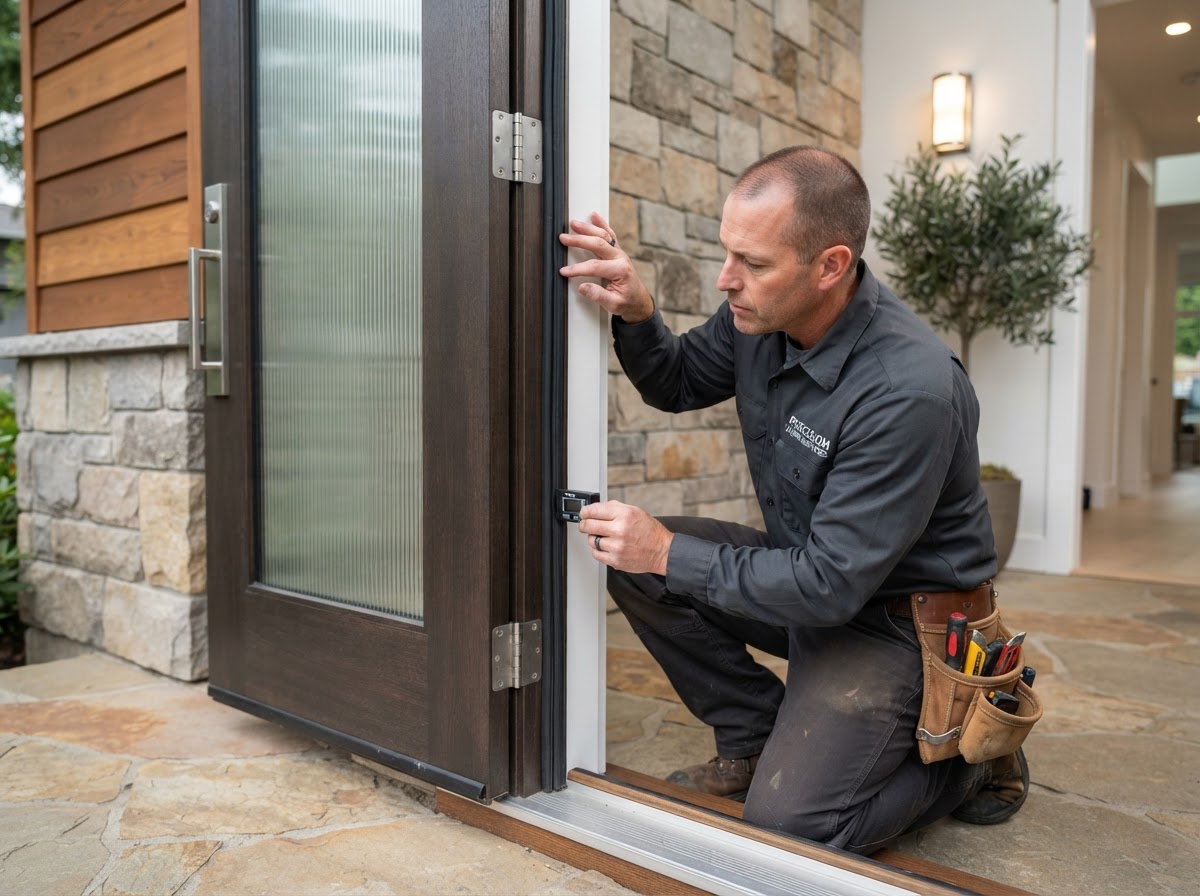
Door & Window Issues
What Causes It
Foundation settling, humidity causing wood expansion, worn weatherstripping, and aging hardware that no longer aligns properly.
Early Warning Signs
Drafts, sticking doors, difficulty closing windows, visible gaps, condensation between window panes, and increased energy bills.
Cost If Ignored
$50 weatherstripping → $5,000+ in energy loss and potential foundation repairs
How to Prevent It
Replace weatherstripping annually, maintain consistent indoor humidity, lubricate hardware, and monitor for changes in how doors and windows operate.
When to Call a Professional
If doors suddenly begin sticking or dragging, if windows won't close properly, or if you feel significant drafts. These can signal foundation movement.
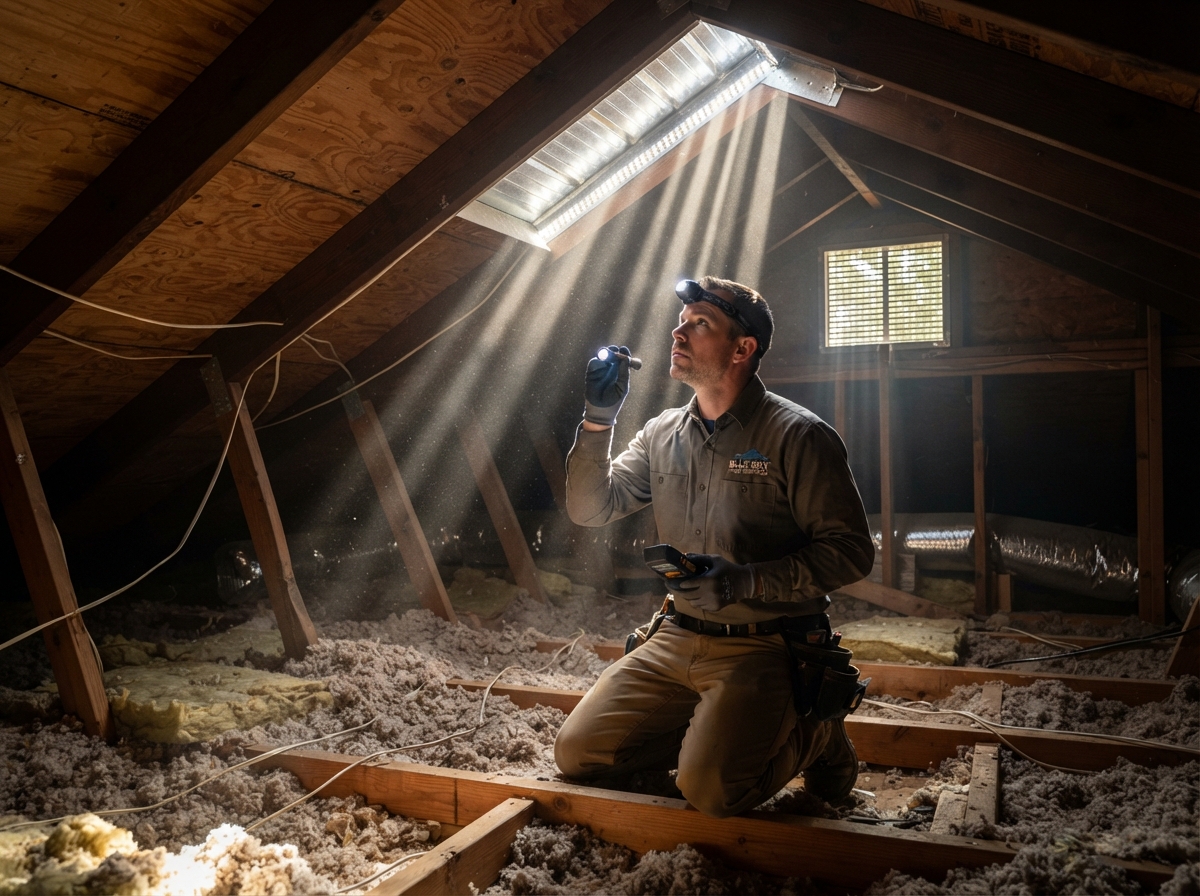
Poor Attic Ventilation
What Causes It
Blocked vents, insufficient vent area, damaged soffits, and insulation covering intake vents.
Early Warning Signs
Excessive attic heat in summer, moisture condensation on roof sheathing, premature shingle aging, and higher cooling bills.
Cost If Ignored
$200 vent repair → $4,000+ in roof replacement and mold remediation
How to Prevent It
Ensure vents are unobstructed, maintain proper insulation levels, install ridge vents if needed, and inspect attic conditions seasonally.
When to Call a Professional
If your attic is significantly hotter than outside, if you see moisture on underside of roof deck, or if shingles are curling prematurely.
Foundation Warning Signs
What Causes It
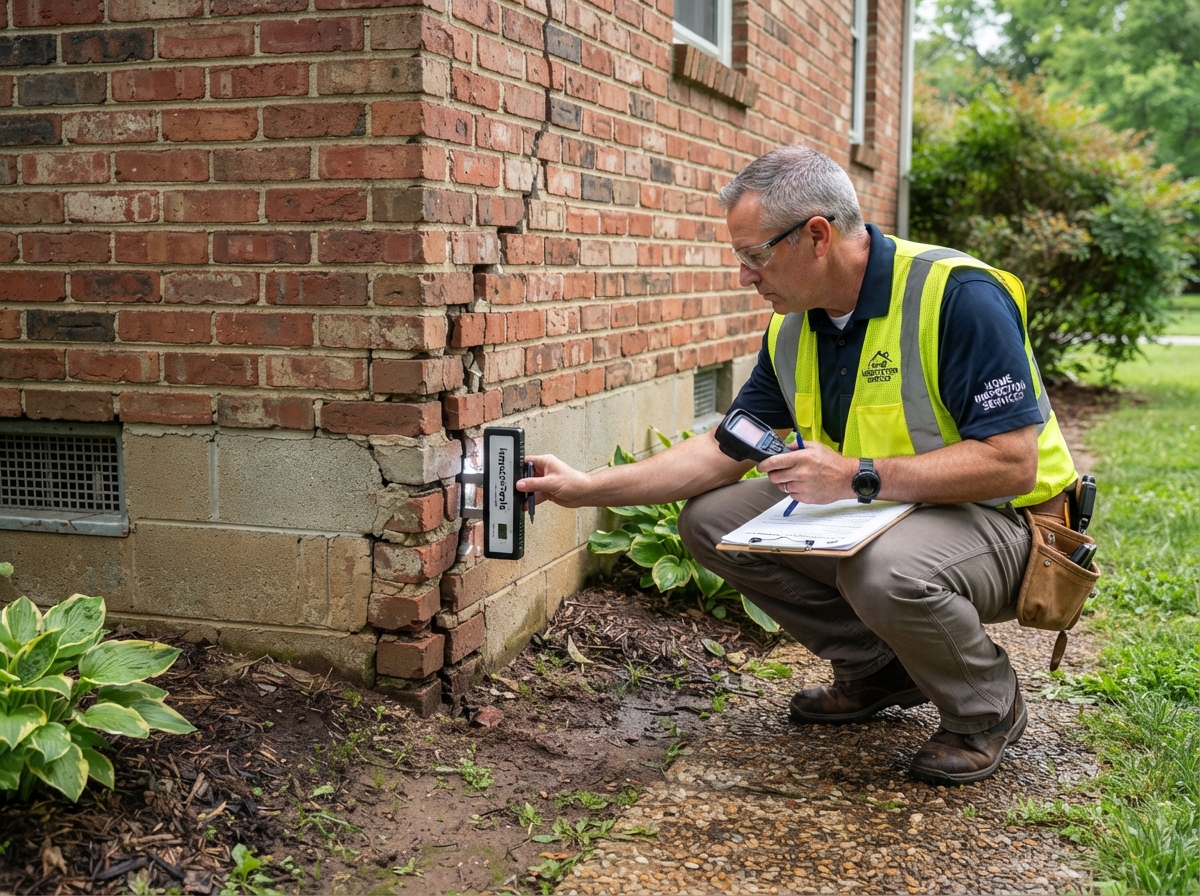
Soil expansion and contraction, poor drainage, tree roots near foundation, plumbing leaks under slab, and Georgia's clay-heavy soils.
Early Warning Signs
Stair-step cracks in brick, horizontal cracks in walls, doors that stick or won't close, uneven floors, and gaps around window frames.
Cost If Ignored
$500 drainage fix → $15,000-$50,000+ in foundation repair
How to Prevent It
Maintain proper drainage away from foundation, water soil during droughts to prevent shrinkage, avoid planting large trees near the house, and address plumbing leaks immediately.
When to Call a Professional
The moment you notice stair-step cracks in brick, significant new cracks, or doors that suddenly stop closing properly. Foundation issues worsen rapidly.
Worried About Hidden Repairs in Your Home?
Don't wait for a small problem to become a financial disaster. Schedule a professional home inspection with A1 Handyman Quality today.
Top 10 Home Repairs Every Homeowner Should Never Ignore
- 1Roof leak repair — water destroys everything it touches
- 2Foundation crack repair — structural integrity depends on it
- 3Electrical panel and wiring issues — fire hazard risk
- 4Water leak detection and repair — mold begins in 48 hours
- 5Deck board and railing repair — safety hazard for family
- 6Gutter cleaning and repair — prevents foundation damage
- 7Drywall crack assessment — can reveal structural problems
- 8Caulking replacement around wet areas — prevents hidden water damage
- 9Door and window weatherstripping — energy loss and comfort
- 10Attic ventilation repair — extends roof life and prevents mold
Seasonal Home Maintenance Checklist
Georgia homeowners should follow this seasonal checklist to catch hidden problems before they escalate.
Spring
- Inspect roof for winter damage
- Clean and inspect gutters
- Check exterior caulking and seals
- Test sump pump operation
- Inspect deck for winter damage
- Service HVAC before summer
- Check window screens for damage
Summer
- Check attic ventilation and temperature
- Inspect for pest entry points
- Clean and seal deck
- Check foundation for soil gaps
- Inspect outdoor faucets and hoses
- Test smoke and carbon monoxide detectors
Fall
- Clean gutters after leaf drop
- Inspect roof before winter
- Seal gaps and cracks around windows
- Service heating system
- Check weatherstripping on doors
- Insulate exposed pipes
- Store and protect outdoor furniture
Winter
- Monitor for ice dams on roof
- Check attic for moisture condensation
- Inspect for drafts and heat loss
- Test sump pump if applicable
- Check for interior water stains
- Monitor foundation for new cracks
Expert Maintenance Tips Homeowners Rarely Think About
Photograph your home's exterior and key interior areas annually. Comparing photos year over year helps you spot subtle changes like new cracks or shifting.
Check your water meter when all faucets are off. If it's still moving, you have a hidden leak somewhere in your plumbing system.
Walk your property after heavy rain. Look for pooling water near the foundation—this is a leading cause of foundation problems in Georgia.
Open your electrical panel and look for rust or burn marks. These indicate moisture intrusion or loose connections that need immediate attention.
Press a screwdriver into visible wood on your deck, fascia, and trim. Soft spots indicate rot that's not yet visible on the surface.
Check your attic on a sunny day with the lights off. If you see daylight through the roof, you have gaps that need sealing.
How Preventative Maintenance Increases Home Value
Homes with documented maintenance records sell for 5-10% more than comparable homes without. When buyers see a home that's been proactively maintained, they feel confident making stronger offers because they're not worried about hidden surprises during inspection.
Preventative maintenance also reduces the likelihood of major issues surfacing during a buyer's inspection. Nothing kills a sale faster than a home inspection revealing $15,000 in needed repairs the seller didn't know about. By staying ahead of problems, you protect your home's marketability and maximize its resale value.
Beyond resale value, preventative maintenance improves your daily quality of life. A well-maintained home is more energy-efficient, more comfortable, safer, and far less stressful to live in. You're not constantly wondering what's going to break next—you know your home is in good shape because you've been taking care of it.
How Preventative Maintenance Lowers Long-Term Repair Costs
| Repair Type | Preventative Cost | Emergency Cost | Savings |
|---|---|---|---|
| Roof Leak | $300 | $10,000+ | $9,700+ |
| Gutter Cleaning | $150 | $5,000+ | $4,850+ |
| Caulking Replacement | $50 | $3,000+ | $2,950+ |
| Deck Board Repair | $200 | $8,000+ | $7,800+ |
| Electrical Inspection | $150 | $4,000+ | $3,850+ |
*Costs are estimates based on average Georgia home repair pricing. Actual costs vary based on home size, materials, and extent of damage.
Related Services
Frequently Asked Questions
Common questions from Georgia homeowners about hidden home repairs and preventative maintenance.
Don't Wait for a Small Problem to Become a Disaster
Whether you've spotted a warning sign or just want peace of mind, our experienced professionals are ready to inspect, repair, and protect your home. Serving Lawrenceville, Suwanee, Duluth, Buford, Johns Creek, Alpharetta, Roswell, and the entire Atlanta metro area.